
THE LIES WE TELL OURSELVES
2025
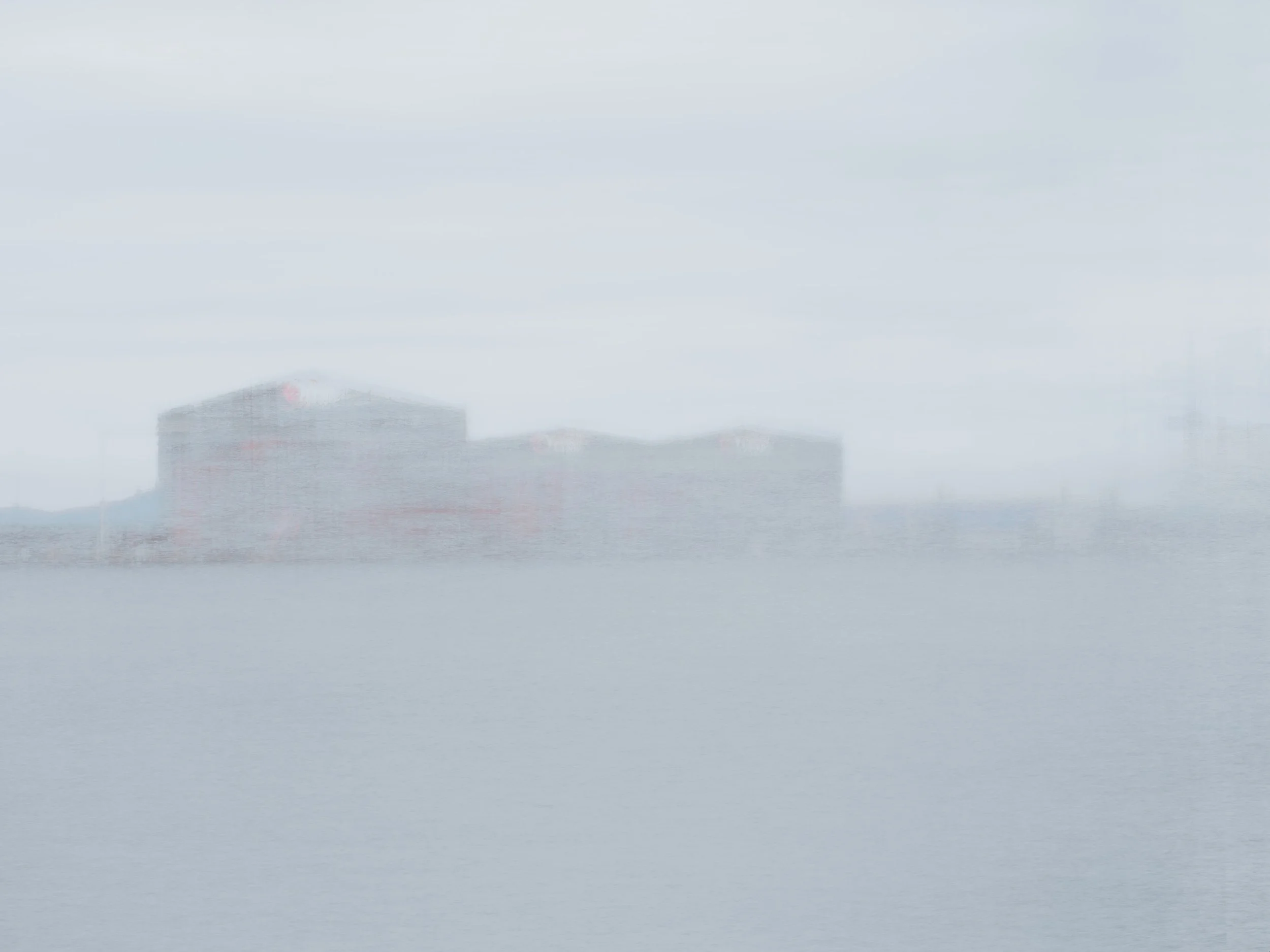
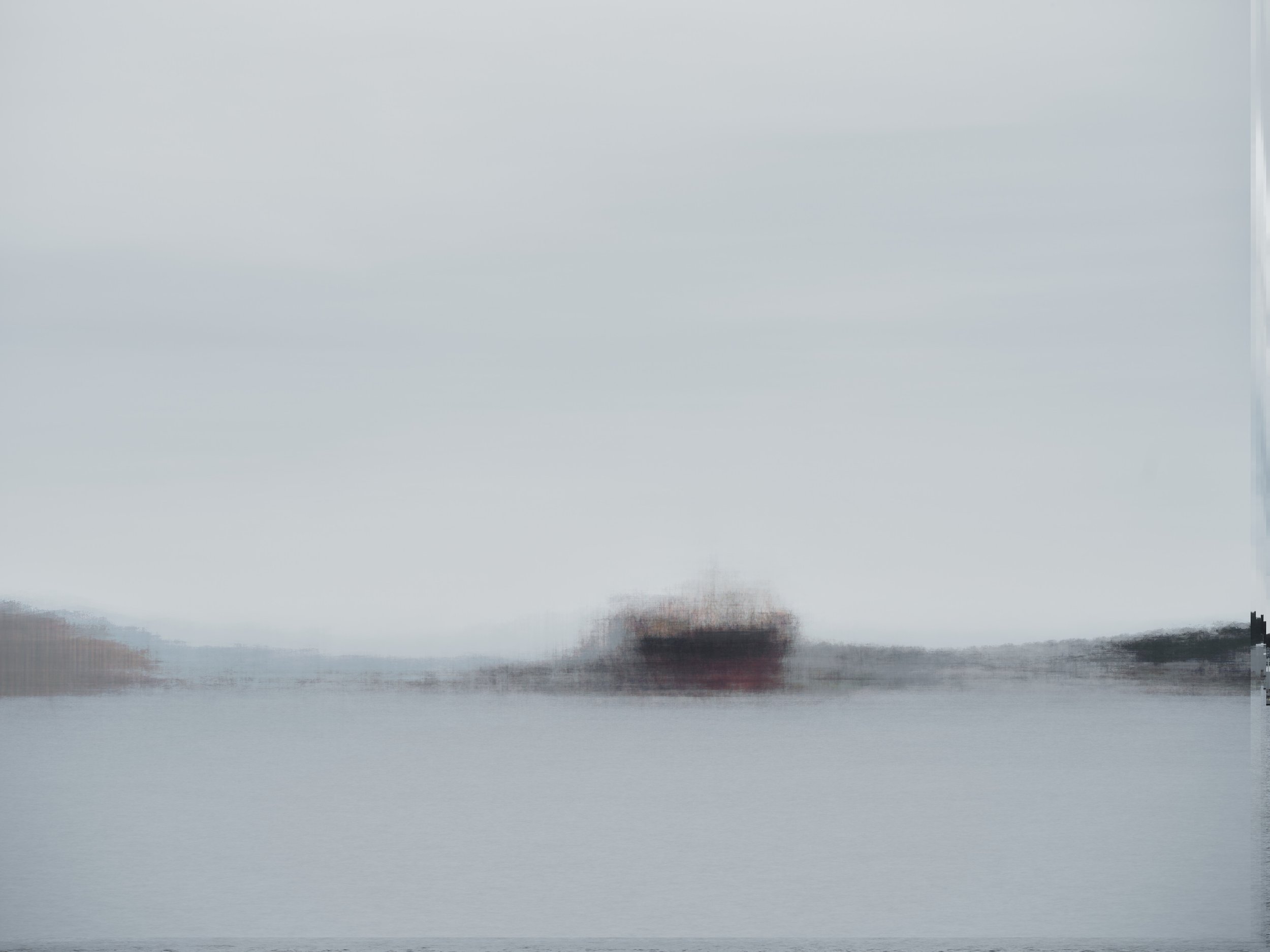
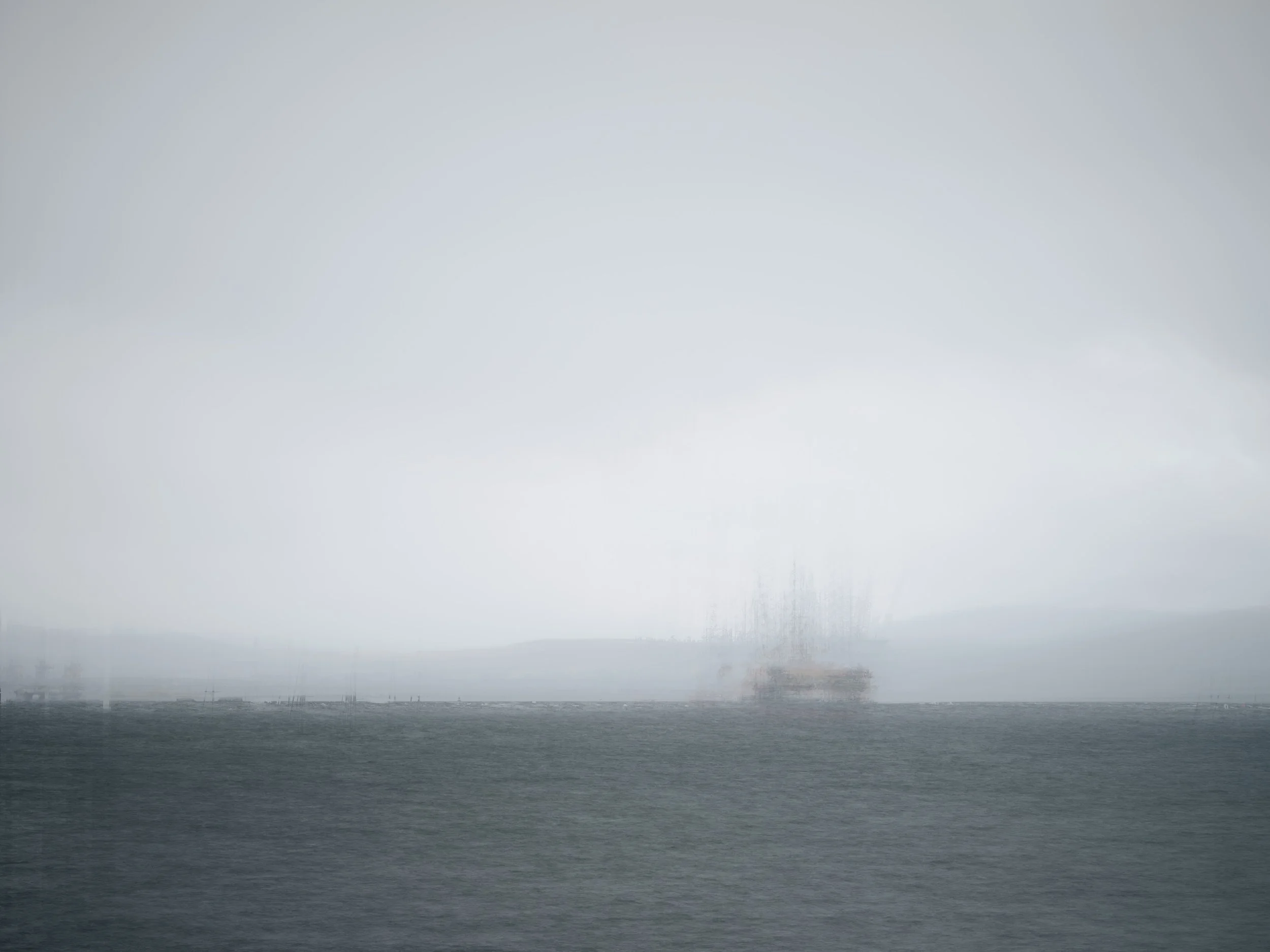
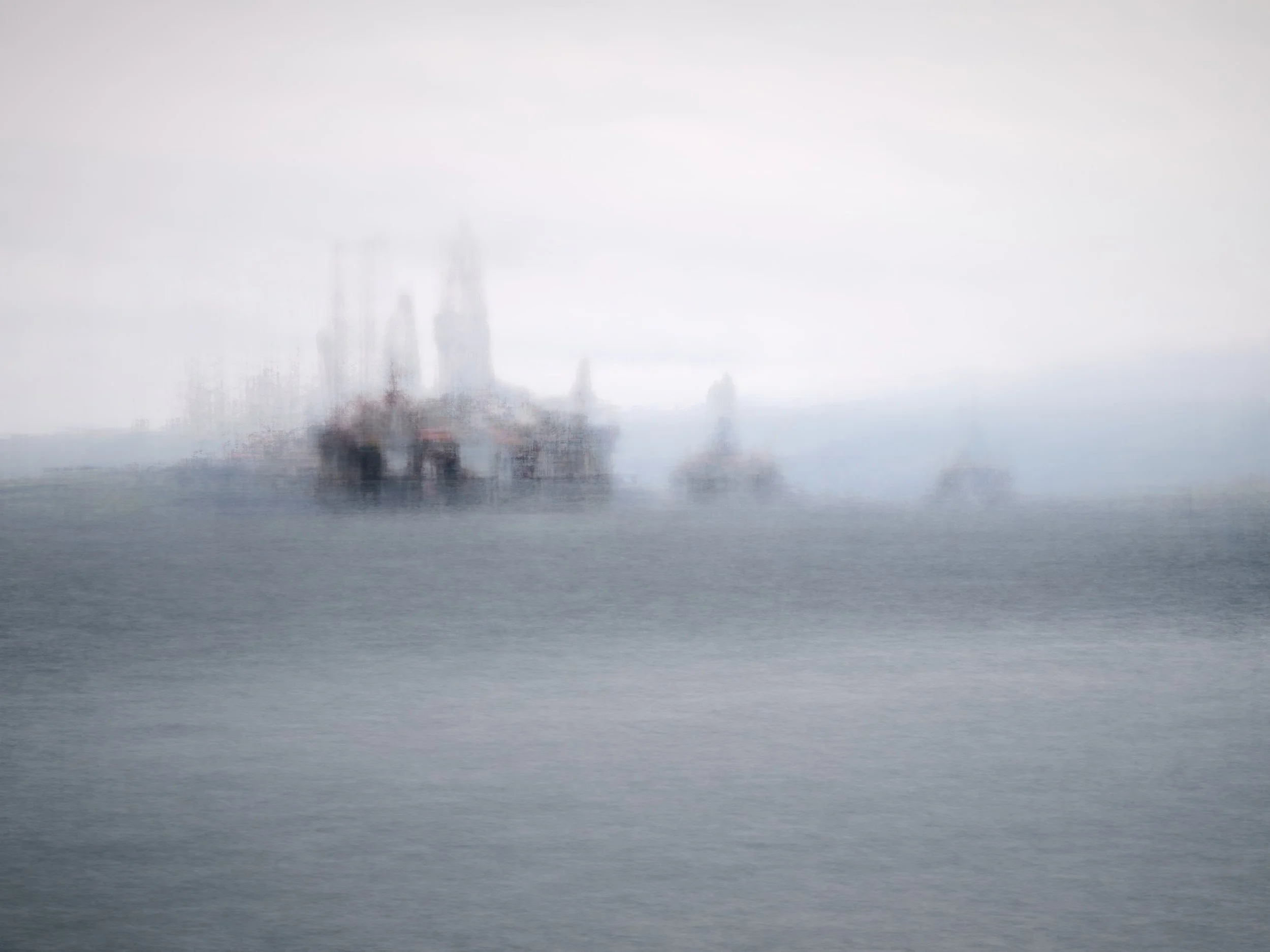
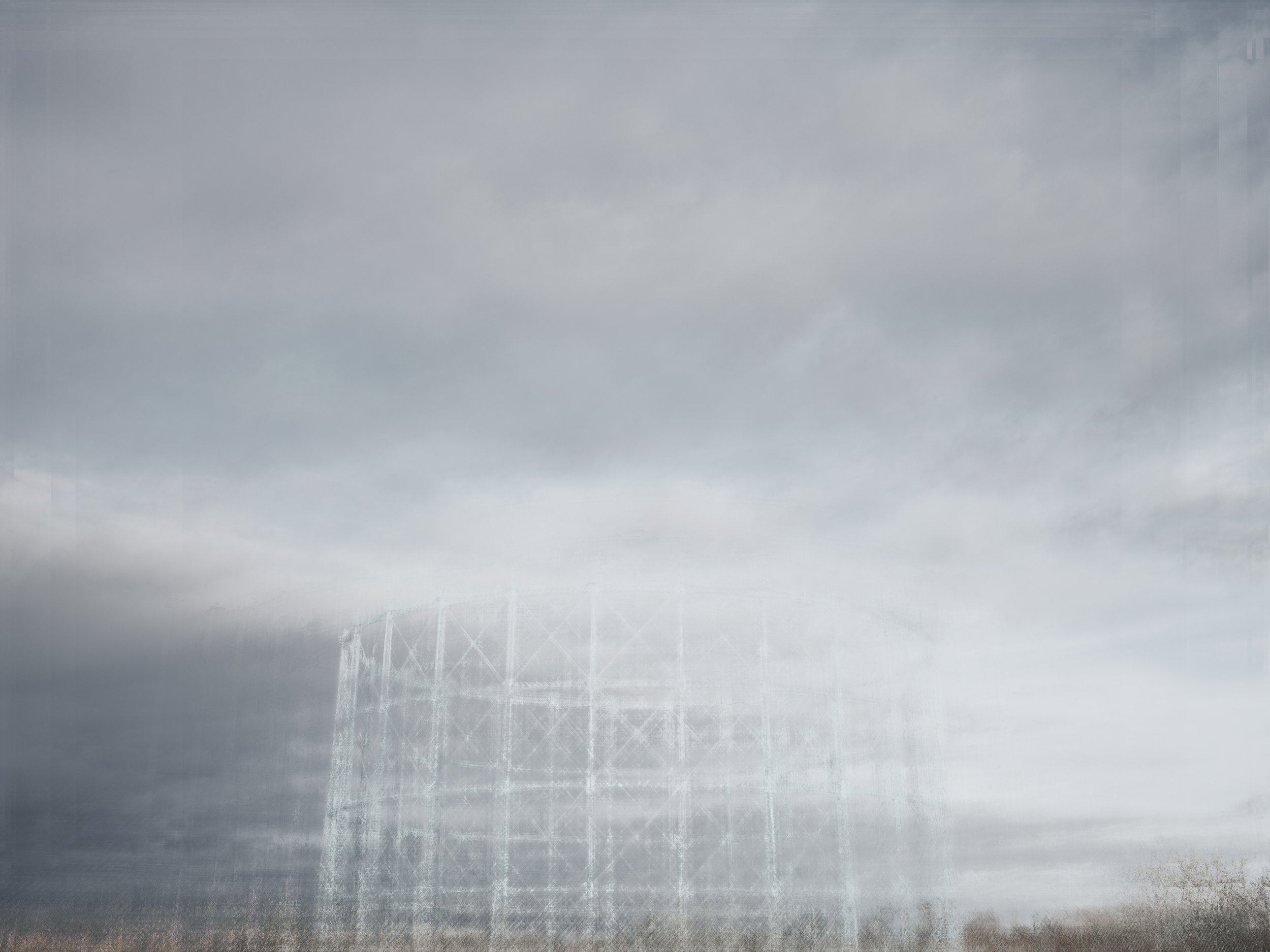
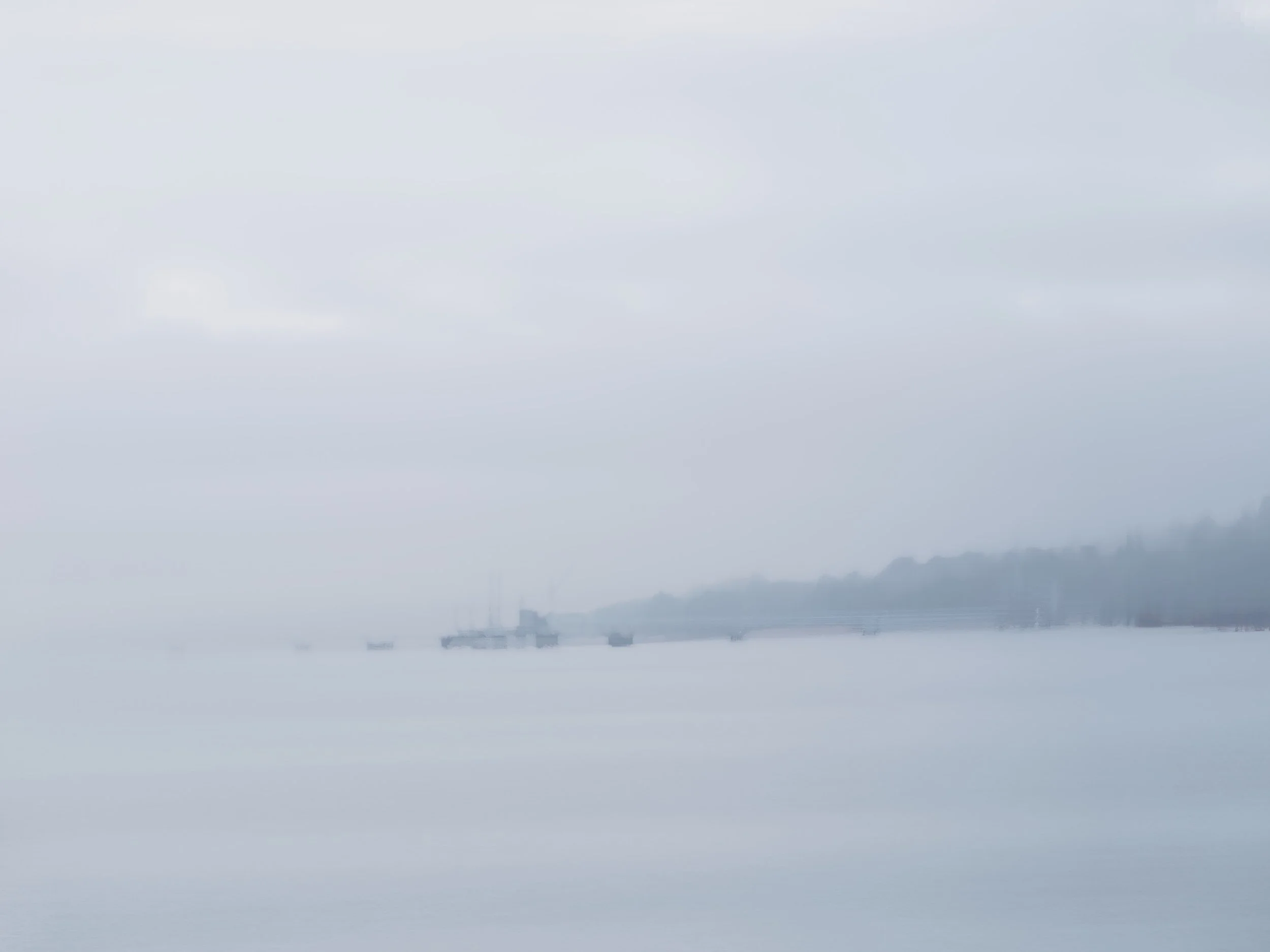
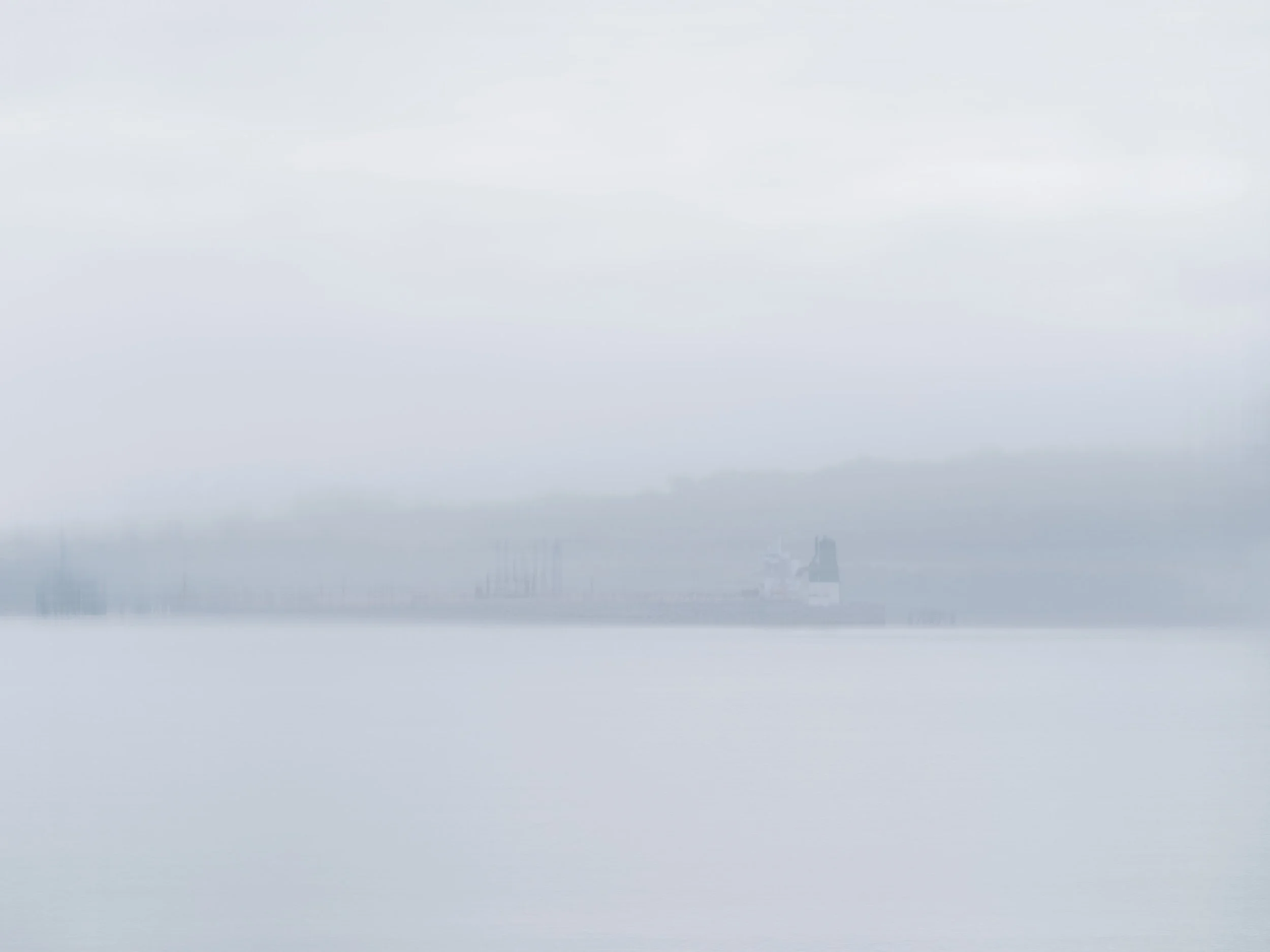
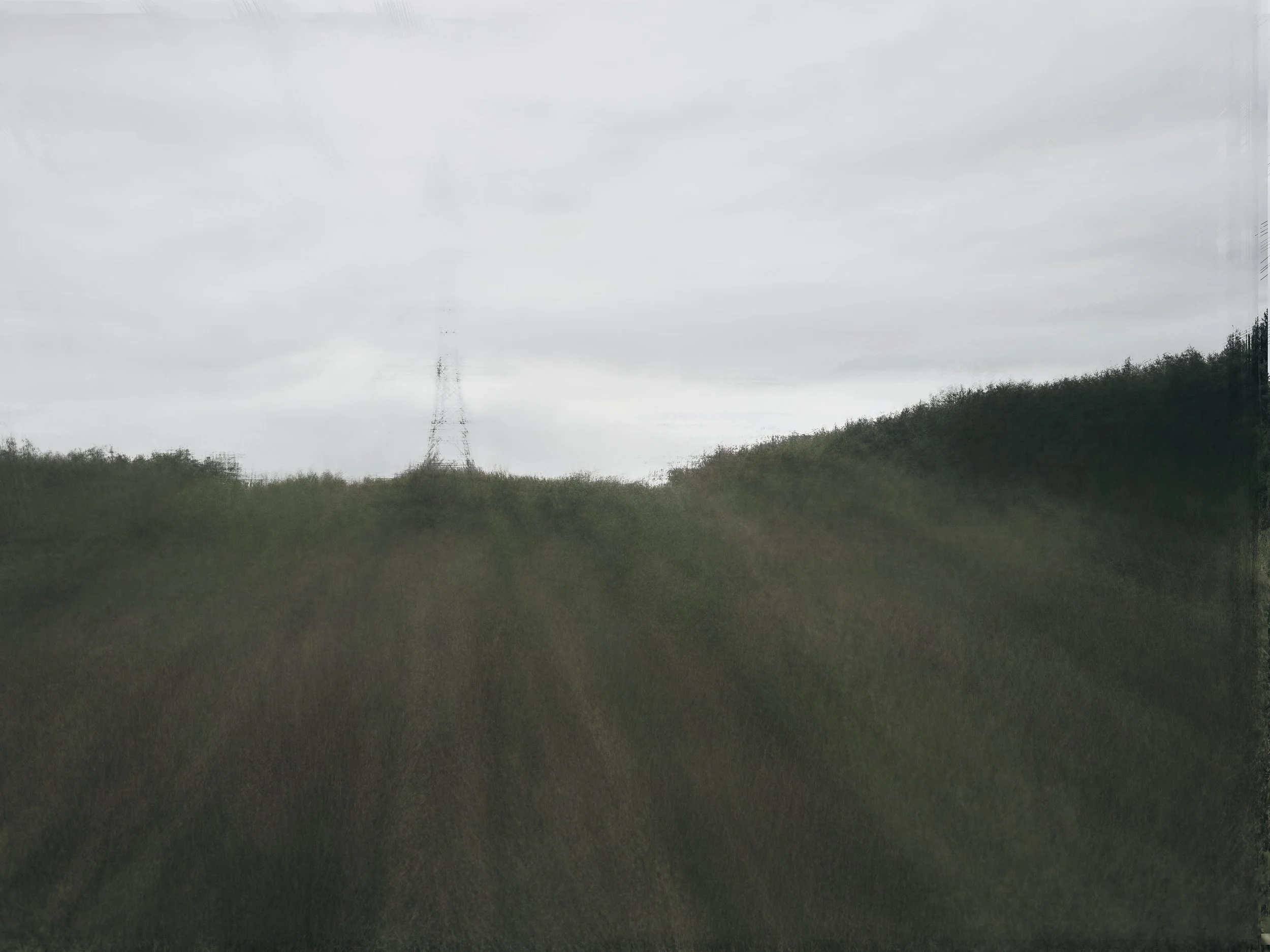
STATEMENT OF INTENT
Inspired by the concept of future-archaeology, The Lies We Tell Ourselves imagines how our now - the Anthropocene - will be imagined by those who come after. Made by keeping our last people in mind, it posits a world peppered with the remnants of the buildings and machines responsible for an end point of the climate crisis, and imagines a future people trying to peer back at us and understand why we did what we did.
This opening chapter focuses on the fossil fuel industry, not least because of the conflict I feel from the benefit I have gained as a result of it. My childhood Highland home was part of the 70s oil boom in Scotland; my father’s livelihood was dependent on it, and oil was what put food on our table. My home for the last 20 plus years on the Firth of Forth is lined with refineries and pipelines, tankers and rigs; it still fuels the local economy, even as it fades into the background of the energy economy in Scotland.
It made sense then, that these two places, both profoundly affected by the fossil fuel and energy industries, should be the focal points for this first part of the work.
Driven by archaeological thinking, the work attempts to break the process of “stacking” (a process generally used to create incredibly sharp and noise free images), treating the digital layers the process utilises as analogous to the layers of earth in an archaeological dig. Errors are induced in the digital files produced by misaligning these layers until a profound glitchiness dominates the image; until detail is predominantly obscured.
These errors reference the biases, outright lies and other unreliabilities in all the stories we tell ourselves about ourselves; whether we receive them from the past or we transmit them into the future. The work in turn speaks to the unreliability of the archive, and inevitable corruption of our story. In the end though, we can't hide the consequences of our choices.
Especially in the Highlands, where we peer back through mists of vague understanding to try and understand our own ancestors - what will our distant descendants make of the evidence of our existence; how will they judge us?